Redtree IT

Computer

Uncategorised

How to cheat (the Blue Screen of) Death

September 16th 2024 By Matthew Phillips How to cheat (the Blue Screen of) Death If you’ve ever had the misfortune of seeing the dreaded Blue Screen of Death (BSOD) on your computer, you know just how frustrating it can be. It’s that moment when your screen turns an ominous shade of blue, and you’re left wondering what went wrong and how much work you’ve just lost. For businesses, these crashes are more than just annoying – they can be disruptive and cost money. Recent research highlights just how common BSODs have become, with one in 200 devices crashing under normal use. And it gets worse. During the recent CrowdStrike outage, that number shot up to one in ten devices. While the tech industry seems to be hit the hardest, with more than 15% of devices affected monthly, even sectors like healthcare and retail, which are less prone to these crashes, still get about 8-10% of devices displaying the dreaded blue screen. So, what’s causing all these crashes? And more importantly, how can you reduce the risk of them happening in your business? The good news is that about half of these incidents are avoidable. The bad news is that many businesses simply don’t have the tools or strategies in place to prevent them. https://player.vimeo.com/video/1007709461? One of the key takeaways from the study is that many BSODs are linked to a few common issues. Problematic hardware, poorly managed Windows updates, and misconfigured drivers for things like graphics cards, networks, and audio systems are among the top culprits. When these aren’t working properly, it can lead to system instability, which often manifests as a BSOD. For business owners, this means taking a proactive approach to IT management is crucial. Instead of waiting for something to go wrong and then scrambling to fix it, businesses should focus on identifying potential problem areas before they lead to a crash. By monitoring the health of your devices and making sure that updates and drivers are properly managed, you can significantly reduce the likelihood of BSODs disrupting your operations. The research suggests that with the right preventative measures, businesses could cut the number of BSOD incidents in half, reducing the occurrence to about one in 400 devices. This not only minimises downtime but also frees up your IT team to focus on more strategic tasks rather than constantly putting out fires. Unfortunately, many businesses lack the necessary tools to identify these risks early on. In fact, most companies don’t even know which of their devices are at risk right now, let alone which ones might crash in the future. To move from a reactive approach to a proactive one, invest in tools that can provide insights into your IT systems. These tools allow you to make data-driven decisions, which can reduce costs, relieve employee stress, and ultimately increase productivity. Better still, get experts to do it for you. Our approach is proactive IT management. This prevents problems before they can interrupt your work. Let us keep your business crash-free. Get in touch. Published with permission from Your Tech Updates.

Uncategorised

You might hold the secret to data security in your finger
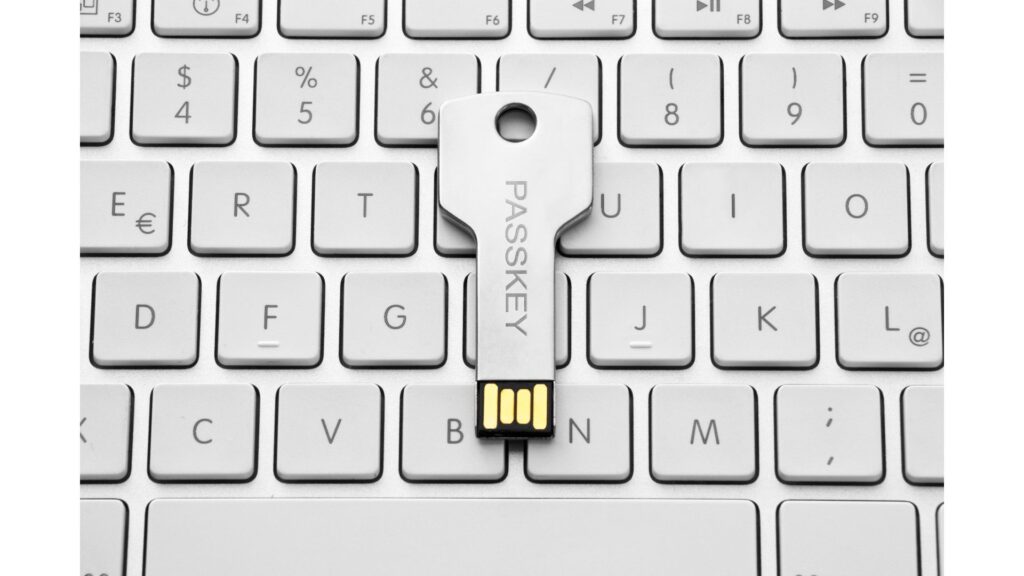
June 3rd 2024 By Matthew Phillips You might hold the secret to data security in your finger We all know how important it is to keep our data safe, whether it’s our business secrets or just personal info. Passwords used to be the number one way to keep things under wraps. But are they still cutting it today? According to a recent report, it seems many people are sticking to their guns when it comes to passwords, with only a small fraction opting for biometrics like fingerprints. But why the hesitation? It seems like everyone’s got data privacy and security on their minds, and that’s totally fair. So, what exactly are biometrics, and why should we consider them as a more secure alternative to passwords? Biometrics are all about using your unique physical or behavioural traits – like your fingerprints, face, or even your eye scan – to prove it’s really you. Unlike passwords, which can be forgotten, stolen, or cracked, biometrics bring a whole new level of security to the table. Sure, there’s still some worry about biometric data getting into the wrong hands. But don’t worry too much. It’s rare and takes a lot of effort and know-how. Biometrics are still a solid weapon in the fight against cyber threats. They’re not only harder to copy than passwords but also offer unparalleled convenience. No more struggling to remember a jumbled mess of letters and numbers… just a quick scan of your fingerprint or face, and you’re good to go. But what if you’re not sold on biometrics just yet? There’s an alternative: Passkeys. These clever authentication methods offer another option to the old-school password. Passkeys use special codes unique to each person and are tough to phish (that’s when someone tries to trick you into giving away your login credentials). By mixing biometrics with passkeys, you can make a big enhancement to your business’s security without making your staff’s lives harder (in fact most people find biometrics and passkeys easier). https://player.vimeo.com/video/948616751 Passwords may have served us well in the past, but it’s time to embrace new, safer methods of authentication. Need a hand implementing biometrics or passkeys? We can help – get in touch. Published with permission from Your Tech Updates.

Scroll to Top